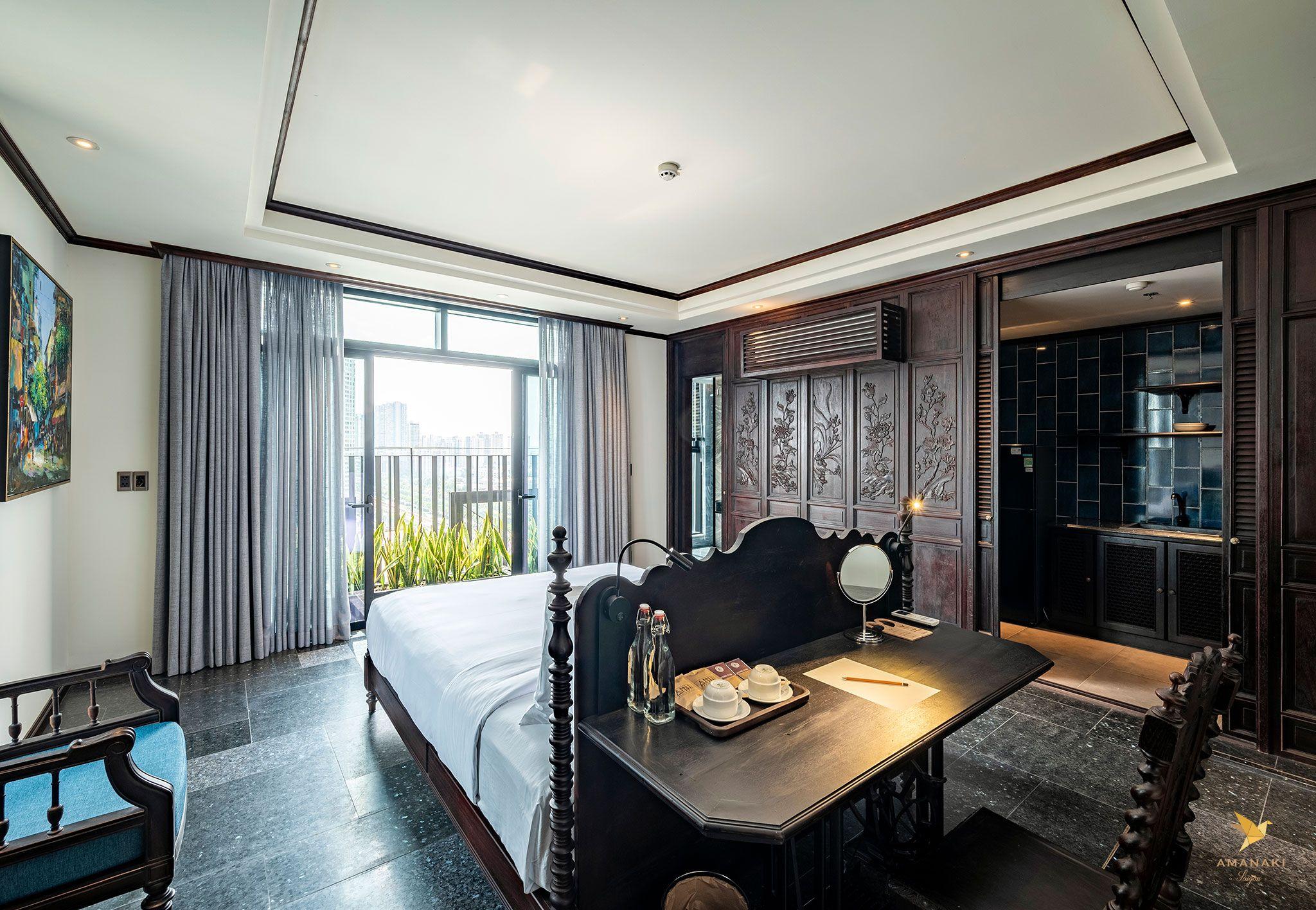

Natural light and its important application in interior architecture.
 8 minute
In the world of modern architecture and interior design, natural light has become a key factor determining the quality of living and working spaces. For those who love travel and new experiences, choosing accommodations that maximize natural light in their architecture not only provides comfort but also positively impacts health and mood. What is natural light and why is it so important in space design? From luxurious boutique hotels to resort-style accommodations, the application of natural light has become the gold standard for creating memorable stay experiences. Let's explore the magical power of sunlight and how it transforms our living spaces with Amanaki Thao Dien Hotel .

What is natural light? Its origin and key characteristics.
To understand the importance of natural light in architecture, we need to explore its origins, characteristics, and constituent elements. What is natural light? It encompasses all light sources originating from nature, including sunlight, moonlight, starlight, and naturally reflected light from surfaces such as water, snow, and clouds. Of these, sunlight is the most important natural light source, providing energy and light for all life on Earth. In architecture and tourism, utilizing natural light has become a sophisticated art in creating ideal living spaces.
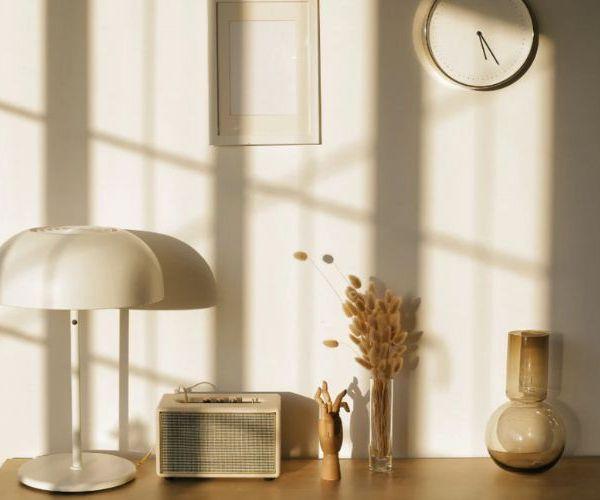
The role and effects of natural light on life and humans.
Natural light plays an indispensable role in ecosystems and has multifaceted impacts on human health. Let's explore these specific effects and their importance in spatial design. The influence of natural light on plants is most evident in photosynthesis and growth. Green plants need sunlight to convert carbon dioxide into oxygen, creating fresh air for the living environment. In architecture, designing green spaces that incorporate sunlight not only creates a healthy environment but also brings a sense of closeness to nature to the users.

For animals, natural light influences their reproductive cycles, survival, and basic biological activities. Many animal species regulate their activity according to the natural light cycle, and humans are no exception. This explains why spaces with plenty of natural light tend to feel more comfortable and energetic.

The effects of natural light on humans are diverse and profound. Psychologically, natural light improves mood by increasing serotonin production – the happiness hormone. This explains why hotels and resorts designed to maximize natural light often receive high ratings from guests regarding their stay experience. Physiologically, natural light supports the body's synthesis of vitamin D, strengthening bone health and the immune system. In particular, natural light also increases dopamine production, helping to prevent nearsightedness and improve vision. This is why designing workspaces and study areas with plenty of natural light is increasingly preferred. Natural light also has a significant impact on sleep and circadian rhythms by regulating melatonin production. Medical studies also indicate that ultraviolet and infrared rays in natural light have certain therapeutic effects, contributing to improved overall health.
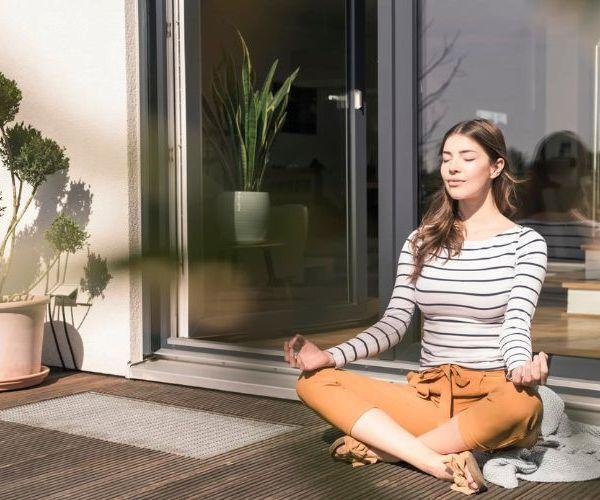
The benefits and limitations of natural light in interior architecture.
The application of natural light in architecture offers many significant benefits but also comes with challenges that need to be addressed skillfully. Let's analyze these advantages and limitations in detail. The benefits of natural light in interior design are incredibly diverse and important. First, natural light creates unique artistic and aesthetic accents that artificial light cannot replicate. The changing light throughout the day creates different light and shadow effects, making the space vibrant and interesting. This is especially important in boutique hotels and high-end resorts, where visual experience plays a crucial role in impressing guests.
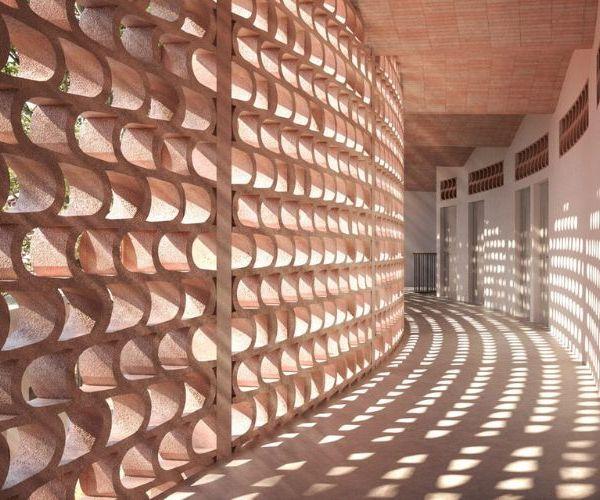
Natural light creates bright and airy spaces, fostering a sense of spaciousness and connection to the outside world. Studies show that spaces with ample natural light can increase work and study productivity by 15-25%. For the tourism industry, this means customers will have a more positive experience staying in intelligently designed accommodations with natural light. The health benefits of natural light are undeniable. Adequate exposure to natural light helps regulate circadian rhythms, improve sleep quality, and boost the immune system. Finally, natural light saves significant energy and costs. An optimized design can reduce daytime lighting costs by 30-50%, while also reducing the load on air conditioning systems through natural temperature control.

Combining natural and artificial lighting in interior design.
Effectively combining natural and artificial lighting requires an understanding of the natural light cycle and the needs of the space. During hours with abundant natural light, the artificial lighting system should be adjusted to support and complement rather than compete. For example, in a hotel room, natural light from the window can be supplemented by recessed LED lights with adjustable brightness, creating a uniform and comfortable lighting environment. It's important to note that LEDs, no matter how advanced, cannot completely replace natural light; they can only complement it. Natural light has a full spectrum and changes naturally over time, offering health and psychological benefits that artificial lighting cannot fully replicate. Therefore, optimal design always prioritizes maximizing natural light first, then using artificial lighting to supplement and highlight.

Practical applications of natural light in interior architecture.
The application of natural light in architecture requires specific techniques and methods to achieve optimal results. Let's explore practical and proven methods in the architecture and design industry. Designing windows and skylights to optimize natural light is the most fundamental element in modern architecture. The location, size, and shape of windows need to be calculated based on the sun's direction, local climate conditions, and the intended use of the space. East- and west-facing windows receive strong sunlight in the morning and afternoon, while south-facing windows provide consistent light throughout the day. Skylights are an excellent solution for bringing natural light into central areas of a building, creating impressive and inspiring spaces.
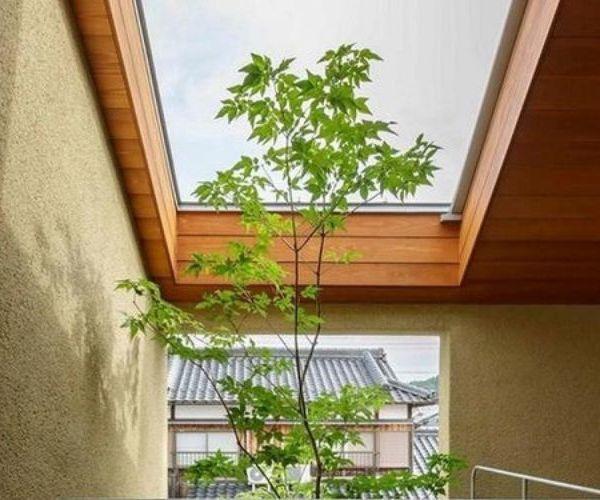
Choosing materials and colors that reflect natural light plays a crucial role in optimizing lighting efficiency. Bright colors such as white, cream, or light gray can reflect 70-90% of light, helping to distribute natural light evenly throughout the space. Materials with glossy surfaces such as mirrors, polished metal, or ceramic tiles can be used to direct and enhance natural light to areas where needed. Creating open spaces and minimizing light obstructions are important principles in natural lighting in architecture. Creating straight lines of vision from windows into the interior space, using transparent or semi-transparent partitions, and arranging furniture appropriately all contribute to maximizing the spread of natural light.
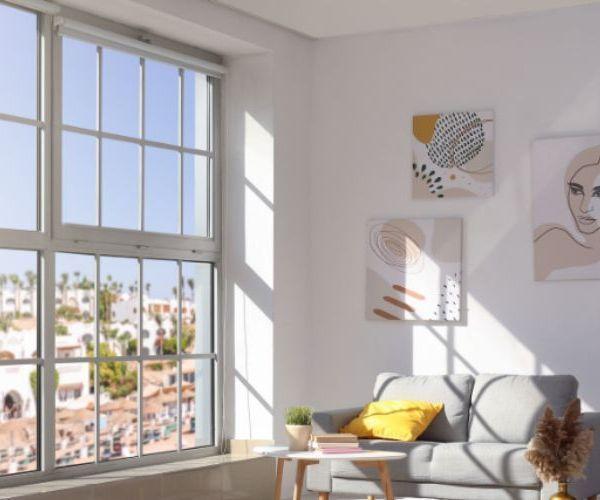
Amanaki Thao Dien: Natural light – Peaceful and energy-efficient space.
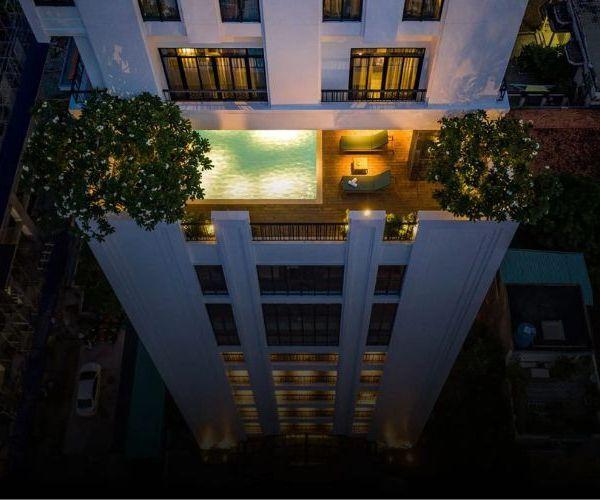
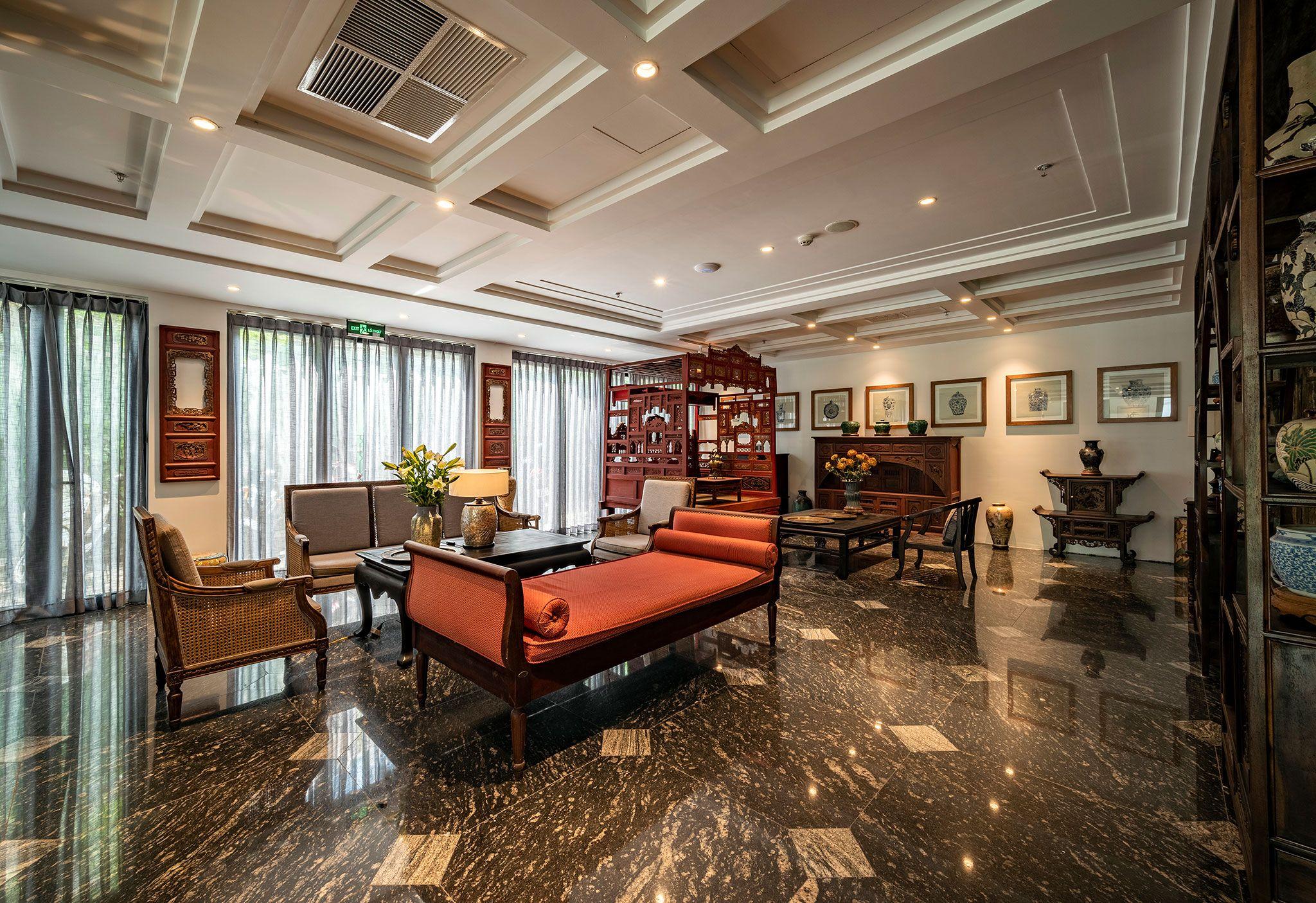
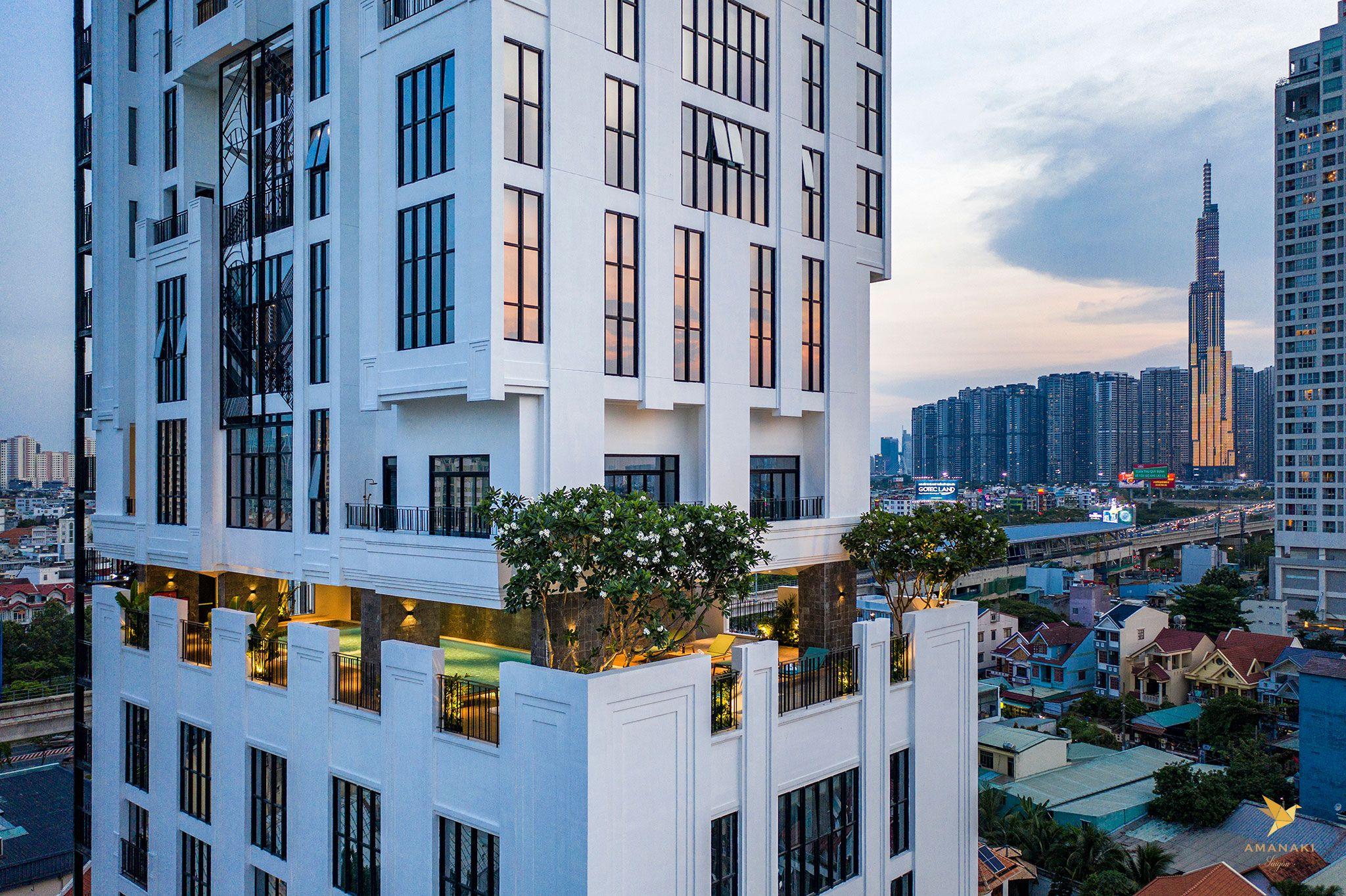
In the context of the hotel industry's increasing focus on experience and sustainability, Amanaki Thao Dien has become a prime example of intelligently and effectively applying natural light in architecture. This boutique hotel not only offers a high-end stay but also demonstrates a commitment to creating living spaces in harmony with nature. Strategically located, the Amanaki Thao Dien building receives sunlight from all four sides, ensuring that all 35 guest rooms receive natural light through meticulously designed large windows. This location not only guarantees that each room is bathed in natural light but also creates beautiful views and a sense of connection with the surrounding environment. This is a crucial element contributing to the exceptional stay experience that guests seek when choosing Amanaki.
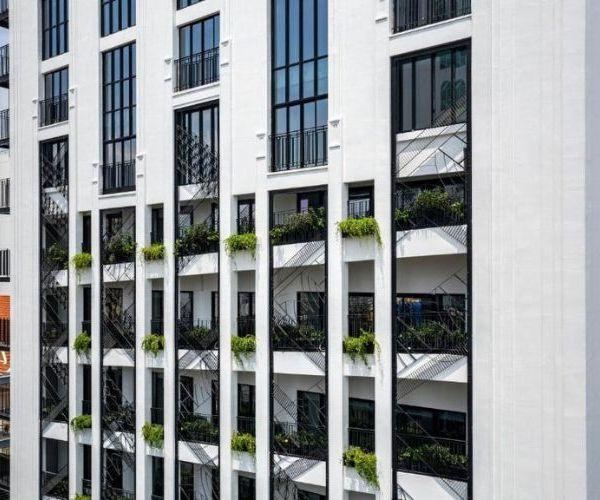
The window system at Amanaki Thao Dien utilizes advanced double-glazed technology, optimizing not only the entry of natural light but also providing effective sound and heat insulation. This design ensures guests can enjoy maximum natural light without being affected by external noise or sudden temperature changes. This is a prime example of how natural light in architecture can be optimized through modern technology. Utilizing natural light at Amanaki not only has aesthetic significance but also offers practical health benefits. Natural light helps kill bacteria and reduce mold growth in rooms, creating a clean and healthy environment for guests. This is especially important given the increasing concern for hygiene and health safety among travelers.
Conclude
The Best Authentic Luxury Hotels in Ho Chi Minh City for a Refined Stay (2026)
The Best Luxury and Boutique Hotels in Vietnam (2026)
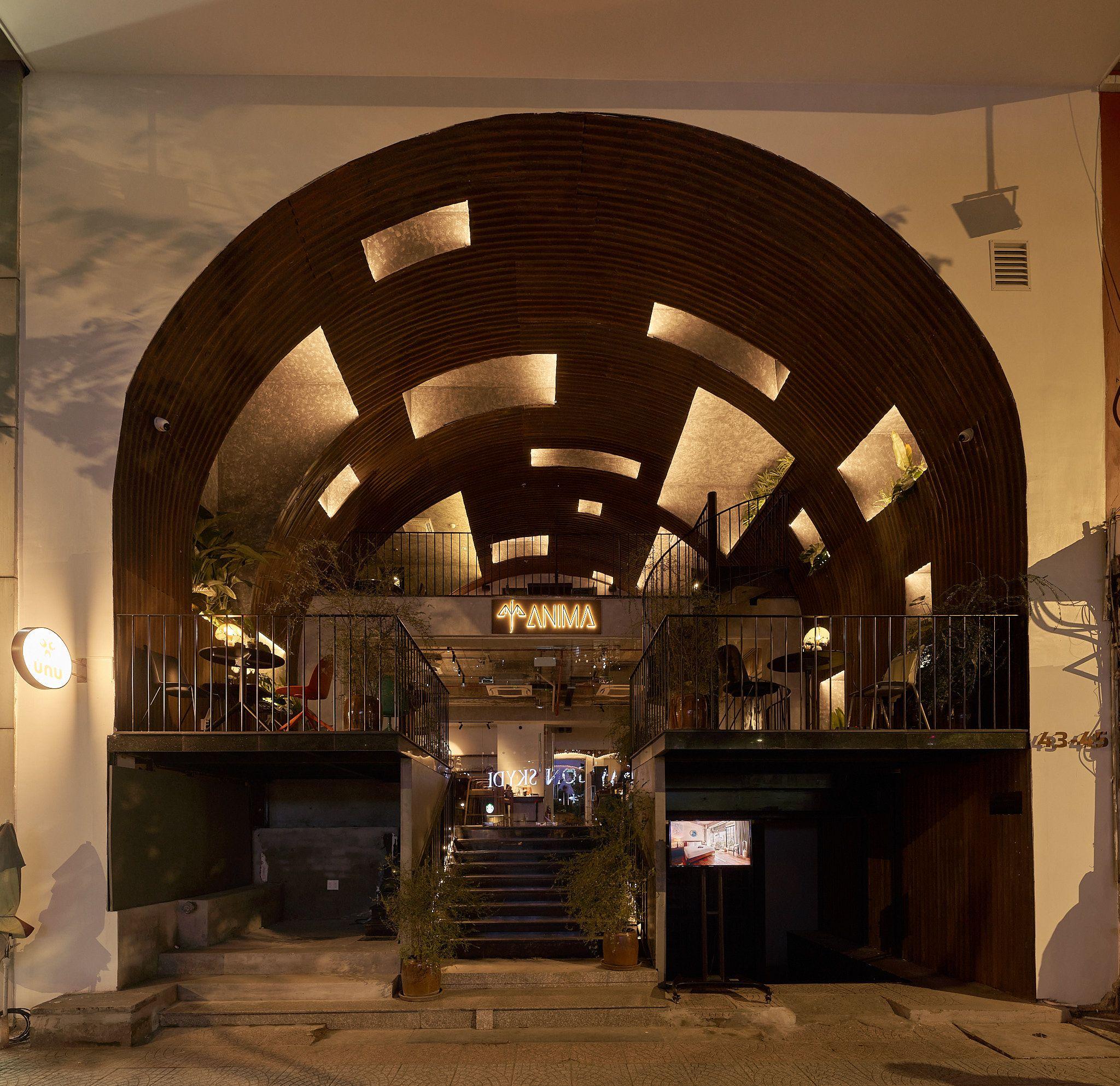
Amanaki Congratulates ANIMA Saigon Boutique on Being Featured in the 2025 MICHELIN Guide
