 Our storiesA compilation of effective and simple energy-saving methods you should know.
A compilation of effective and simple energy-saving methods you should know.
 8 minute
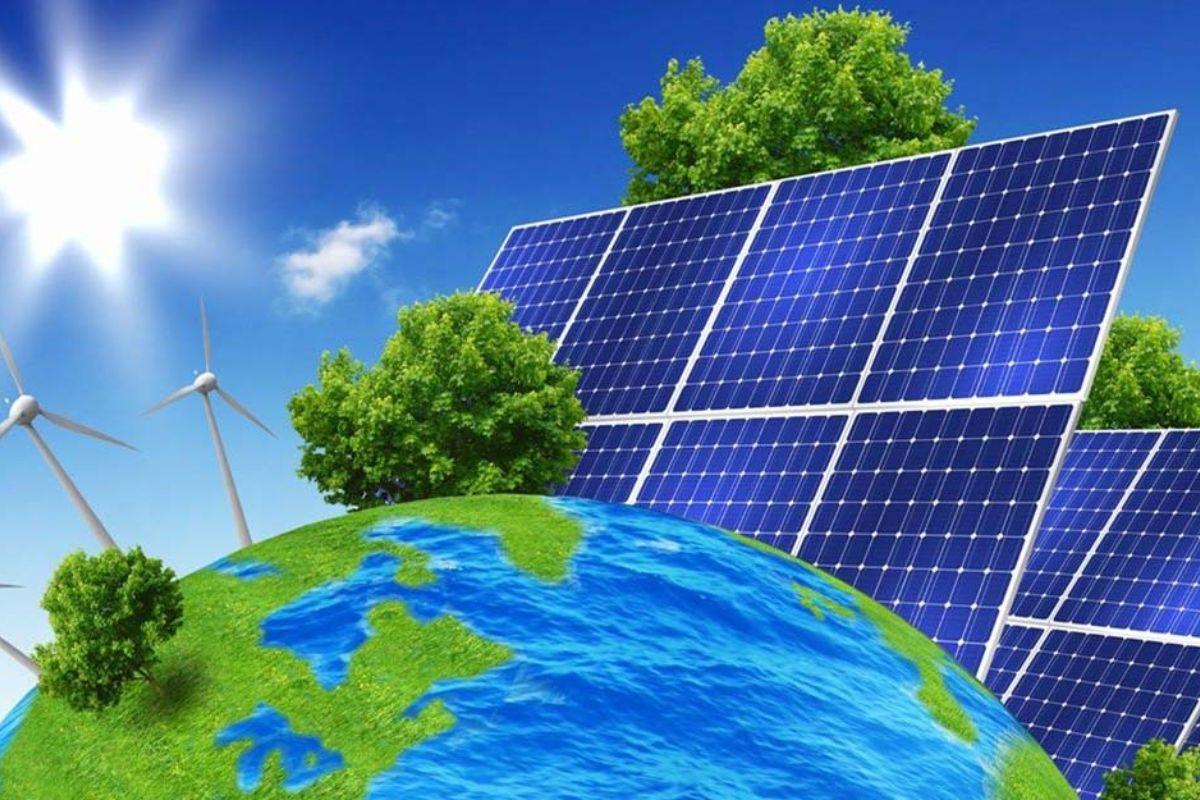
In an era of climate change and rising living costs, understanding how to save energy has become a top concern for every family and business. Especially for travel enthusiasts, choosing accommodations and experiences that are energy-efficient not only helps protect the environment but also demonstrates a sustainable and responsible lifestyle. Effective energy-saving methods not only minimize negative environmental impacts but also bring significant economic benefits to individuals and communities. Let's explore simple yet effective ways to save energy in daily life with Amanaki Hotels.
What is energy saving?
To understand the importance and practical applications of energy saving, we need to grasp the basic concept and role of energy saving in modern life. Energy saving is defined as the efficient and intelligent use of energy to minimize consumption while maintaining quality of life and work efficiency. This concept is not simply about reducing electricity or other energy sources, but also includes optimizing processes, improving equipment efficiency, and applying advanced technologies to achieve similar or better results with less energy. The role of energy saving in life and the environment is extremely important and multifaceted. In the context of a family, energy saving significantly reduces monthly living expenses, creating savings that can be used for other purposes such as travel, education, or investment. From an environmental perspective, reducing energy consumption contributes to minimizing greenhouse gas emissions, protecting natural resources, and maintaining ecological balance. For the tourism industry, hotels and resorts that adopt energy-saving practices not only reduce operating costs but also attract environmentally conscious travelers, making it an increasingly popular choice.
Why is it important to save energy?
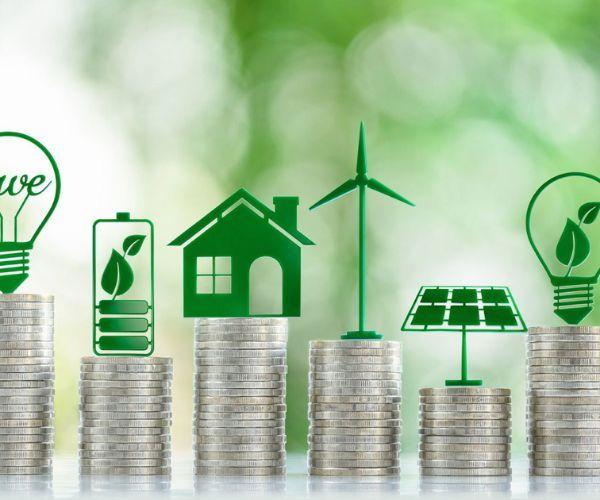
Implementing energy-saving measures brings many practical benefits across three main aspects: economic, environmental, and social. Let's explore these benefits in detail. The economic benefit of reduced electricity and water bills is the most direct and easily noticeable incentive. By applying effective energy-saving methods, a household can save 15-30% on monthly electricity costs. This figure can be even higher for families who implement multiple saving measures simultaneously. For businesses, especially hotels and resorts, energy savings can reduce operating costs by 20-40%, generating significant profits and improving competitiveness in the market.
Simple and effective ways to save energy.
To achieve optimal energy savings, we need to systematically implement measures across various sectors. Let's explore some specific and easy-to-implement energy saving methods.
Energy saving in lighting systems
Lighting systems typically account for 10-15% of total electricity consumption in a household and can reach 20-25% in commercial establishments such as hotels and restaurants. Replacing traditional light bulbs with LEDs is one of the most effective and easiest ways to save energy. LEDs consume 80% less electricity than incandescent bulbs and 50% less than compact fluorescent lamps. Although the initial investment cost is higher, LEDs have a lifespan 25 times longer than incandescent bulbs and 3 times longer than compact fluorescent lamps, resulting in significant savings on replacement and maintenance costs.

Save energy when using electrical appliances.
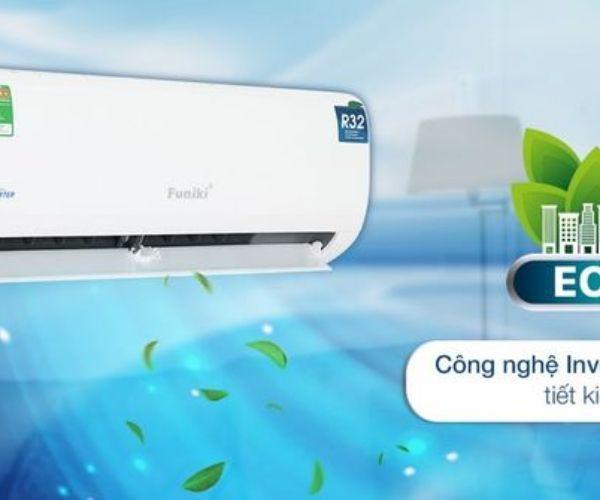
Household electrical appliances typically account for 60–70% of a household's total electricity consumption, so using them efficiently plays a crucial role in an overall energy saving strategy. One simple but often overlooked way is to unplug appliances when not in use to avoid "standby" electricity consumption. Appliances such as TVs, computers, microwaves, and washing machines still consume electricity in standby mode, and this can account for 5–10% of your monthly electricity bill. Using power outlets with switches or developing the habit of unplugging appliances after use will significantly reduce waste. Choosing and using energy-efficient electrical appliances is also a smart long-term solution. Prioritize products with 5-star energy efficiency ratings or those using inverter technology, as they consume significantly less electricity. For example, a 5-star rated appliance can save 40–50% more energy than a comparable 1-star appliance. In particular, air conditioners using Inverter technology save 30–50% more energy than conventional models.
Saving energy in daily life
Small daily habits can make a big difference in overall energy consumption. Keeping doors and windows sealed and using double-glazed windows for insulation helps maintain a stable indoor temperature, reducing the burden on air conditioning. Double-glazed windows can reduce cooling and heating costs by 15-25% compared to single-glazed windows. Covering cooking surfaces to reduce heat loss is a simple yet effective energy-saving method. Covering can reduce cooking time by 20-30% and save a corresponding amount of gas or electricity. Washing clothes at low temperatures and limiting the use of dryers also contributes significantly to energy savings. Washing at 30°C instead of 60°C can save up to 60% of energy. Air drying instead of using a dryer not only saves electricity but also helps clothes last longer. Reducing water usage by turning off taps when not in use, taking quick showers, and using water-saving faucets not only saves water but also reduces the energy needed to heat the water.
Utilize renewable and environmentally friendly energy.
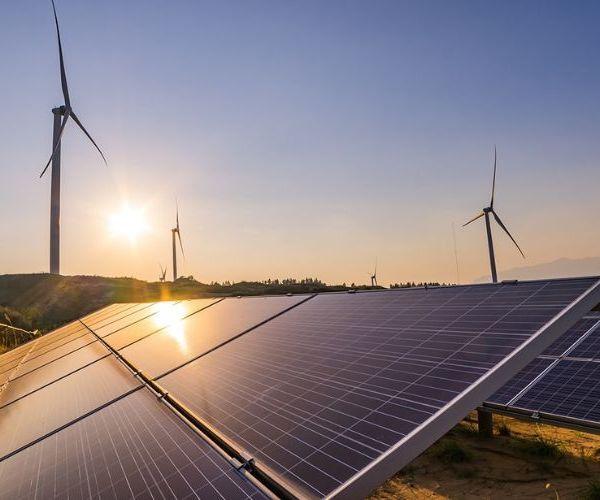
These are the most advanced and sustainable energy-saving trends today. Installing and using solar panels is becoming more common and feasible thanks to reduced costs and government support policies. A home solar panel system can provide 50-100% of daily electricity needs, depending on scale and lighting conditions. Planting trees around the house helps regulate temperature naturally, reducing cooling and heating costs. Trees can lower the ambient temperature by 2-5°C in the summer, meaning a 10-20% reduction in air conditioning costs. Sorting and reusing waste helps reduce waste and utilize resources, which is an indirect but significant way to save energy. Recycling 1 ton of paper can save the equivalent of 4000 kWh of electricity. ⇒ What is Recycling? A Guide to Sorting Recyclable Waste and What You Need to Know
Tips and advice for saving energy.
Energy saving is key to sustainable and efficient development at Amanaki.
In the context of the hotel industry's increasing focus on sustainability, Amanaki has become a prime example of implementing effective and comprehensive energy-saving practices. A favorite destination for environmentally conscious travelers, Amanaki not only offers a high-end stay but also demonstrates a strong commitment to environmental protection. The importance of energy saving in the hotel industry is evident at Amanaki in many aspects. Energy saving not only reduces hotel operating costs but also drives business growth in the face of continuously rising energy costs. Efficient energy use has become a sustainable business growth strategy, helping Amanaki maintain profitability and long-term success. In particular, being a sustainable hotel allows Amanaki to access preferential financing from climate finance funds while complying with increasingly stringent environmental regulations.

Conclude
We urge everyone to start taking simple steps to protect the environment and save money today. Begin by turning off lights when leaving a room, using LED lights, unplugging unused appliances, or choosing environmentally conscious travel destinations. Every small action contributes to a big change for our community and our planet. Remember, energy saving not only reduces your electricity bill at the end of the month but also contributes to a more sustainable and greener future for generations to come. When choosing your next travel destination, consider hotels like Amanaki Saigon Boutique Hotel – where you can enjoy a luxurious stay while contributing to environmental protection through advanced and efficient energy-saving practices. Book now for a sustainable and meaningful travel experience!


2025 World Luxury Hotel Awards – Where Local Beauty Meets International Standards

Guide to classifying hotel room types

SASA Marine Wildlife Rescue Center
