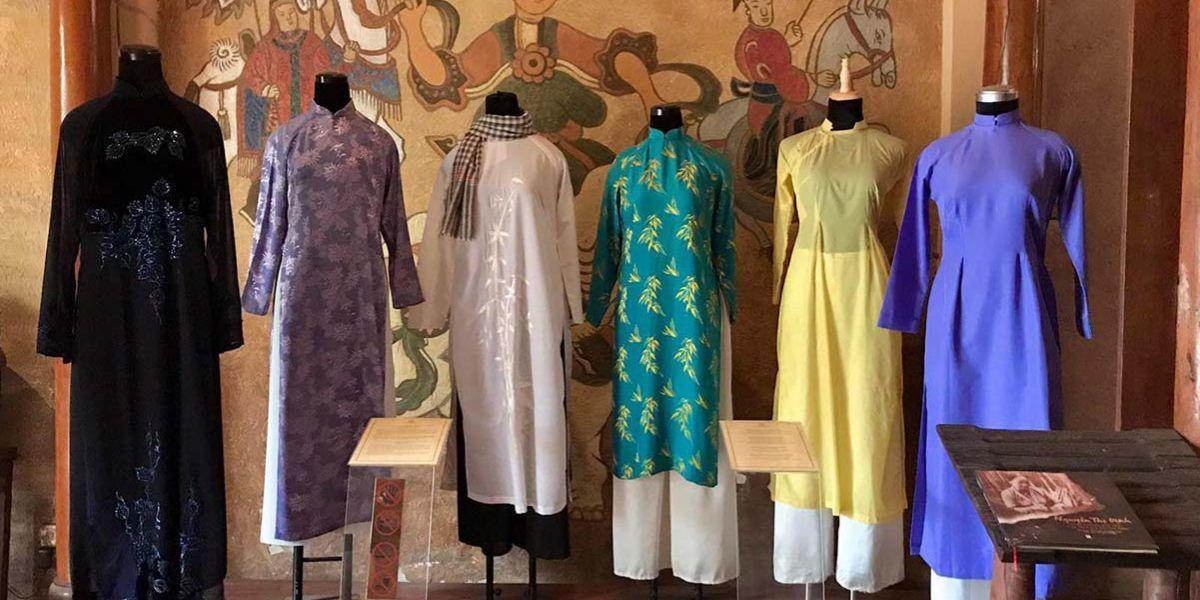

Exploring the Ao Dai Museum- A Cultural Landmark in Ho Chi Minh City
 10 minute
Vietnam's rich heritage shines at the Ao Dai Museum in Ho Chi Minh City, where the timeless elegance of the traditional áo dài is celebrated through centuries of design and cultural pride. Nestled in vibrant District 9, this must-visit destination offers travelers a deep dive into Vietnamese identity. For guests staying at Amanaki Thao Dien Hotel, the museum provides a meaningful cultural escape just a short journey away—perfect for those seeking authentic, memorable experiences in modern Vietnam.
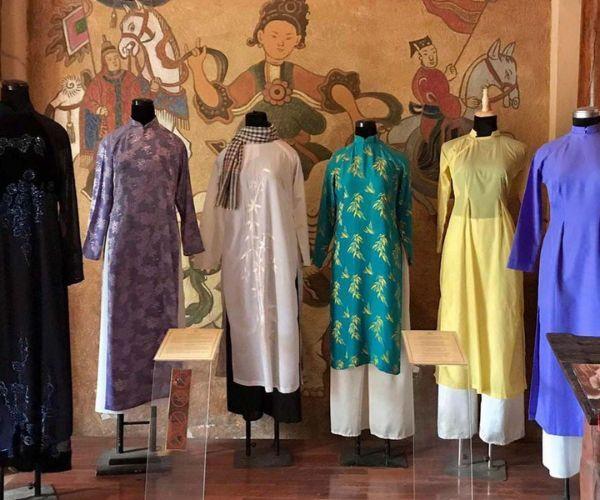
An Overview of the Ao Dai Museum in Vietnam
⇒ Learn more: Ho Chi Minh City Museum of Fine Arts Discover a Cultural Masterpiece
Introduction to the Ao Dai Museum
The museum's mission extends far beyond simple preservation. It actively promotes the ao dai as an integral part of Vietnamese cultural identity, ensuring that future generations understand and appreciate the craftsmanship, artistry, and cultural significance embedded in every stitch and design. Through its comprehensive collection and educational programs, the museum bridges the gap between Vietnam's rich cultural past and its rapidly modernizing present.
What makes this institution particularly special is its commitment to showcasing the ao dai not merely as a static historical artifact, but as a living, breathing element of Vietnamese culture that continues to inspire designers, artists, and cultural enthusiasts worldwide. The museum demonstrates how traditional Vietnamese clothing has adapted to changing times while maintaining its essential character and cultural significance.
⇒ Learn more: Notre Dame Cathedral of Saigon – An Iconic Landmark in Ho Chi Minh City
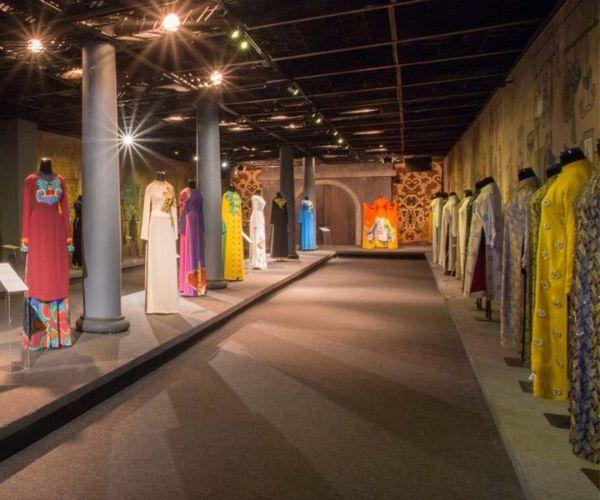
What Makes the Ao Dai Museum Special?
The Architecture of the Museum
The architectural style employed throughout the museum creates an authentic atmosphere that complements the exhibits within. Visitors will notice the careful attention to detail in the use of natural materials, traditional color schemes, and spatial arrangements that reflect Vietnamese aesthetic principles. The building itself serves as an exhibit, demonstrating how traditional Vietnamese architecture can be adapted for modern cultural institutions while maintaining its essential character.
Natural light flows throughout the museum spaces, creating an ideal environment for viewing the intricate details of the ao dai collection. The architects have skillfully integrated traditional Vietnamese design elements with modern museum functionality, ensuring that the building enhances rather than distracts from the cultural treasures it houses.
⇒ Best Time to Travel to Ho Chi Minh City for an Unforgettable Experience
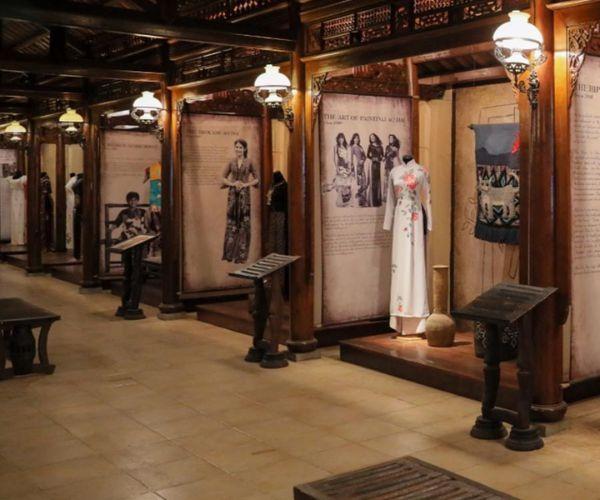
More Than 300 Ao Dai Designs
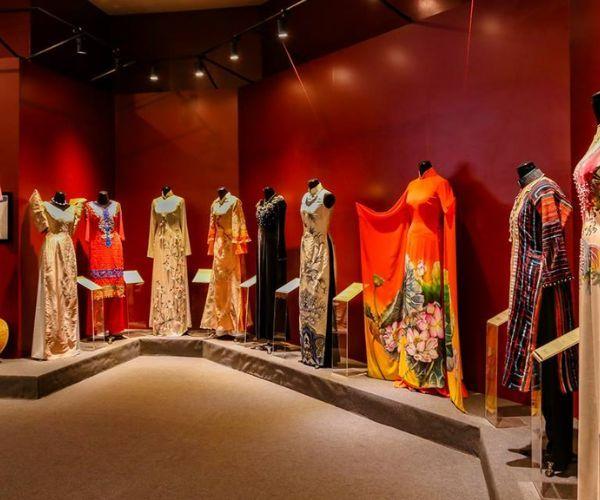
The heart of the Ao Dai Museum is its extraordinary collection of over 300 ao dai, offering a rich exploration of Vietnam’s cultural and fashion history. Each piece represents a unique blend of historical period, regional identity, and artistic expression—tracing the ao dai’s journey from its early origins to its modern-day adaptations. Visitors can witness the creativity of Vietnamese artisans and designers through the evolution of fabric, color, silhouette, and intricate details.
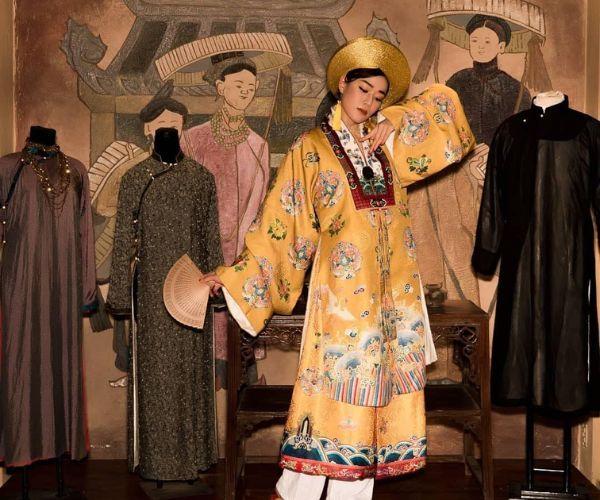
Spanning from the Nguyen Dynasty to contemporary fashion, the collection captures the ao dai’s transformation across centuries. From imperial court attire to everyday garments worn by 20th-century working women, and even modern reinterpretations using new materials and techniques, every ao dai tells a story. The museum’s thoughtful curation highlights both the visual beauty and deeper social and cultural meanings behind each garment, offering visitors a meaningful understanding of this iconic symbol of Vietnamese identity.
⇒ Ben Thanh Market- 10 Amazing Things You Didn’t Know
Perfect Photo Opportunities
The Ao Dai Museum is a visual delight, making it a favorite destination for photography lovers and social media content creators. Designed with aesthetic harmony in mind, every corner of the museum offers stunning photo opportunities that highlight both the elegance of the ao dai collection and the architectural charm of the space. From detailed embroidery close-ups to scenic shots of traditional Vietnamese gardens, visitors can easily capture memorable moments.
The exhibition spaces are thoughtfully curated with optimal lighting and artistic layouts that enhance every image. Traditional design elements, such as wooden structures and serene garden paths, provide authentic and visually captivating backdrops. Whether you're a professional photographer or a casual visitor, the museum offers countless Instagram-worthy settings to document your cultural journey.
⇒ Saigon Central Post Office – A Must-Visit Historic Gem in Ho Chi Minh City
Tips for Visiting the Ao Dai Museum Ho Chi Minh in District 9
Planning your visit to this cultural landmark requires some practical considerations to ensure you make the most of your experience. From transportation options to timing your visit, understanding these practical aspects will help you fully enjoy everything the museum has to offer.
How to Get to the Ao Dai Museum
Reaching the Ao Dai Museum in District 9 is straightforward with several transportation options available to suit different preferences and budgets. The most convenient option for international visitors is taking a taxi or ride-sharing service directly from their accommodation, which typically takes 30-45 minutes from central Ho Chi Minh City, depending on traffic conditions.
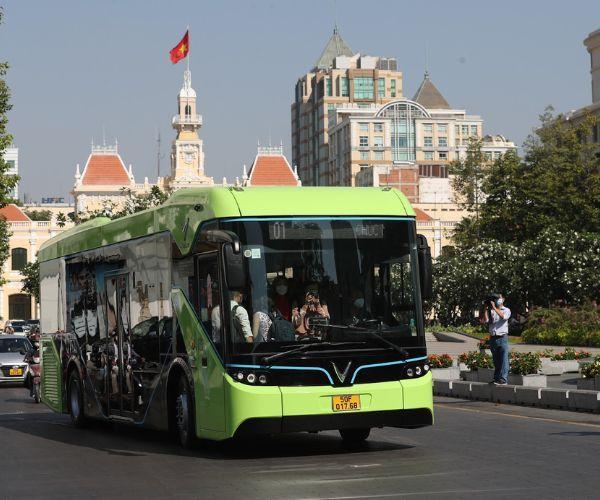
For those preferring public transportation, the city's bus system provides connections to District 9, though this option requires more time and local knowledge. Many visitors find that booking a private car or joining an organized tour provides the most hassle-free experience, especially when combined with visits to other cultural attractions in the area.
If you're staying in central Ho Chi Minh City, consider combining your museum visit with exploration of other District 9 attractions to maximize your travel time. The area has developed significantly in recent years and offers various cultural and entertainment options that complement a museum visit.
⇒ Explore High-Speed Trains in Vietnam: The Future of Travel
Opening Hours and Ticket Prices
Ticket prices are designed to be affordable, with separate rates for adults, students, and children. Discounts are often available for groups or organized tours, and some packages may include extras like guided tours or hands-on workshops. During special exhibitions or cultural events, prices may vary, and advance booking is recommended, especially in peak seasons. Visitors can find updated ticket information on the museum’s official website or through local tourism centers.
Dining Options at the Museum
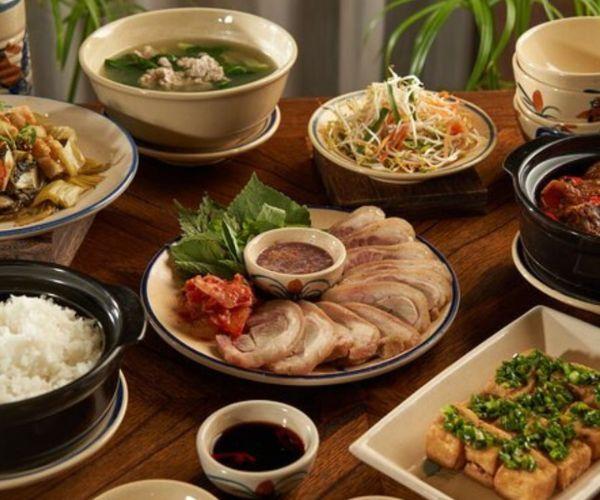
The museum café specializes in traditional Vietnamese teas, coffee, and light meals that reflect regional culinary traditions. This dining experience provides an excellent opportunity to rest and reflect on the cultural insights gained during your museum visit while savoring flavors that are integral to Vietnamese daily life.
For visitors seeking more extensive dining options, the surrounding District 9 area offers various restaurants and food establishments that showcase both traditional Vietnamese cuisine and contemporary dining experiences, making it easy to combine your museum visit with a broader culinary exploration.
Nearby Hotels and Accommodations
For those seeking a more refined experience, boutique hotels in the district often blend traditional Vietnamese architectural elements with modern comforts. Many offer cultural concierge services, shuttle transportation to nearby attractions, and even curated packages that include museum tickets and guided tours—perfect for travelers wanting a deeper connection to Vietnamese heritage during their stay.
A Closer Look at What You Can Expect at the Ao Dai Museum
Admire Traditional Vietnamese Architecture
The architectural details throughout the museum demonstrate the sophistication of Vietnamese building traditions, including intricate woodwork, traditional roofing techniques, and the integration of indoor and outdoor spaces that characterizes Vietnamese design philosophy. These elements create an environment that enhances your appreciation of the ao dai collection by providing appropriate cultural context.
Every architectural element has been chosen to complement the museum's cultural mission, creating a harmonious environment where traditional Vietnamese aesthetics support and enhance the understanding of traditional Vietnamese fashion and cultural values.
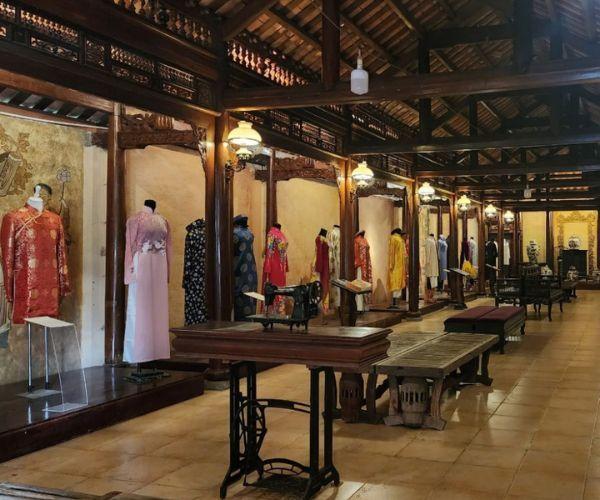
Experience Special Exhibitions
The Ao Dai Museum regularly features special exhibitions that offer new perspectives on Vietnamese culture and the evolving story of the ao dai. These rotating displays give returning visitors fresh insights, while exploring specific themes such as historical periods, regional styles, or modern interpretations by contemporary designers. Many of these exhibitions include interactive elements, allowing guests to engage more closely with the materials, techniques, and cultural stories behind each garment.
By curating dynamic, ever-changing exhibitions, the museum positions itself as a vibrant cultural hub rather than a static archive. This ongoing renewal ensures continued relevance and appeal for both local and international audiences who are eager to explore the depth and richness of Vietnam’s fashion heritage and cultural identity.
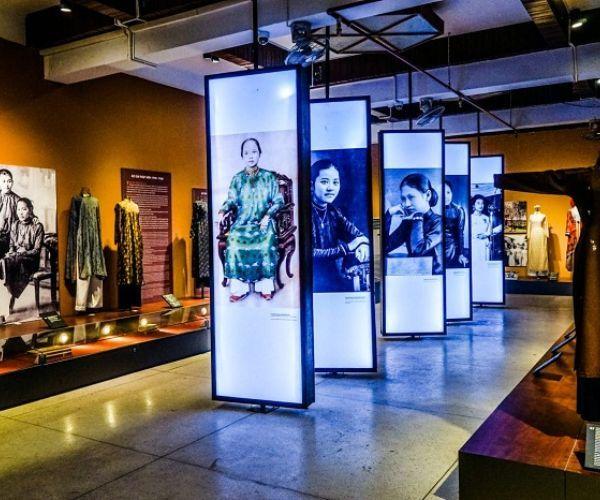
Enjoy Fun and Engaging Activities
In addition, the museum hosts cultural performances throughout the week, including traditional dances, fashion shows, and ceremonial presentations. These events illustrate how the ao dai is worn and celebrated in various social and cultural contexts, enriching the visitor’s understanding of its role in Vietnamese heritage.
Souvenirs to Take Home
For those seeking something more special, the shop also offers high-quality reproductions of historical ao dai designs, along with accessories and jewelry that reflect the elegance of traditional Vietnamese fashion. Educational materials are also available, allowing visitors to continue exploring Vietnamese culture even after their museum visit ends.
Services Available at the Ao Dai Museum in Ho Chi Minh City
The museum provides comprehensive services designed to enhance your cultural learning experience and ensure that your visit is both educational and enjoyable. Professional guided tours are available in multiple languages, providing expert insights into the historical and cultural significance of the exhibits while answering questions about Vietnamese fashion history and cultural traditions.
Educational workshops extend beyond simple observation, offering hands-on experiences that deepen understanding of Vietnamese craftsmanship and cultural values. These programs are suitable for visitors of all ages and backgrounds, making the museum an excellent destination for families, educational groups, and individual cultural enthusiasts.
The museum also offers research facilities for scholars and students interested in conducting deeper studies of Vietnamese fashion history and cultural development, providing access to archives and expert consultation services that support serious academic inquiry into Vietnamese cultural heritage.
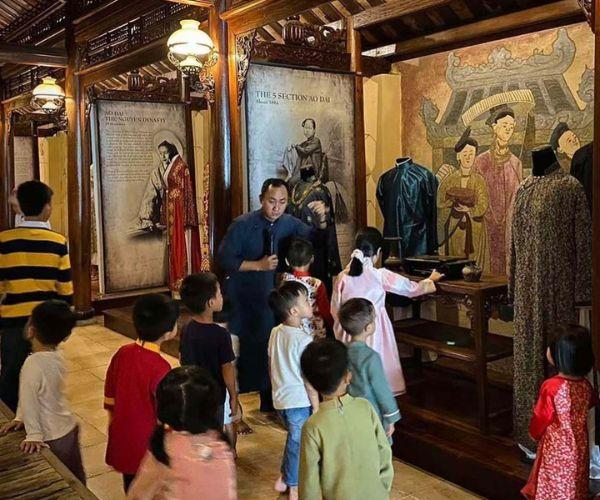
Stay at Amanaki Thảo Điền for Easy Access to Vietnam’s High-Speed Rail and Cultural Experiences
Thao Dien Station – The Nearest and Most Convenient Option
From Thao Dien Station, visitors can easily travel across the city via Line 1, which connects 14 stations from Ben Thanh Market in the city center to Suoi Tien Theme Park in the northeast.
An Phu Station – The Second Option
Metro Line 1 – Useful Information for Travelers
Train frequency: Every 8 minutes during rush hour; every 12 minutes during regular hours
Fares:
- 7,000–20,000 VND per trip (cash)
- 6,000–19,000 VND per trip (cashless)
Accessibility: 17 bus routes (No. 153–169) connect Metro Line 1 to various districts across Ho Chi Minh City
Recommendation:
Conclusion
The Ao Dai Museum Ho Chi Minh City is more than just a cultural attraction — it reflects Vietnam’s dedication to preserving and sharing its heritage. With its rich collection and interactive displays, the museum helps visitors understand traditional Vietnamese values, history, and social changes. It shows how cultural preservation can go hand-in-hand with modern development, making tradition relevant and engaging for today’s audience.
As Vietnam continues to grow its tourism and cultural infrastructure, places like the Ao Dai Museum play a key role in connecting the past and present. When combined with accessible transport and quality accommodation such as Amanaki Thảo Điền, visitors can enjoy deeper, more meaningful cultural experiences. This approach to tourism allows travelers to leave with lasting memories and a true appreciation for Vietnam’s unique cultural identity.
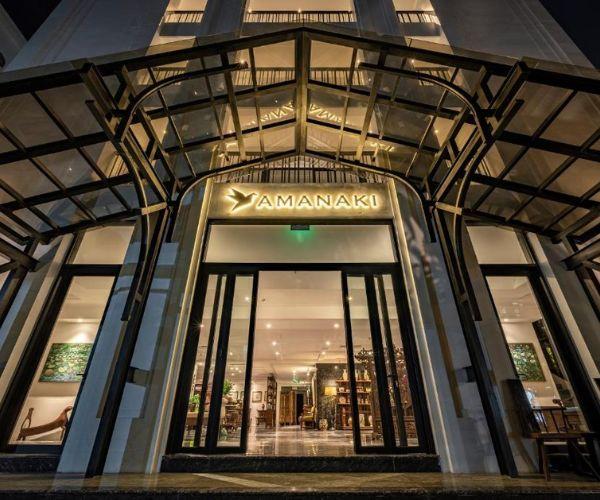
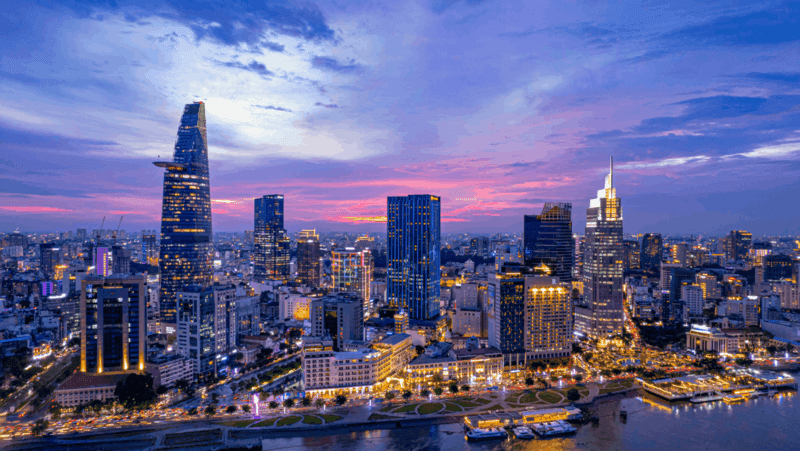
Retreat Ho Chi Minh: Choose a Place to Stay, Choose a Way to Live
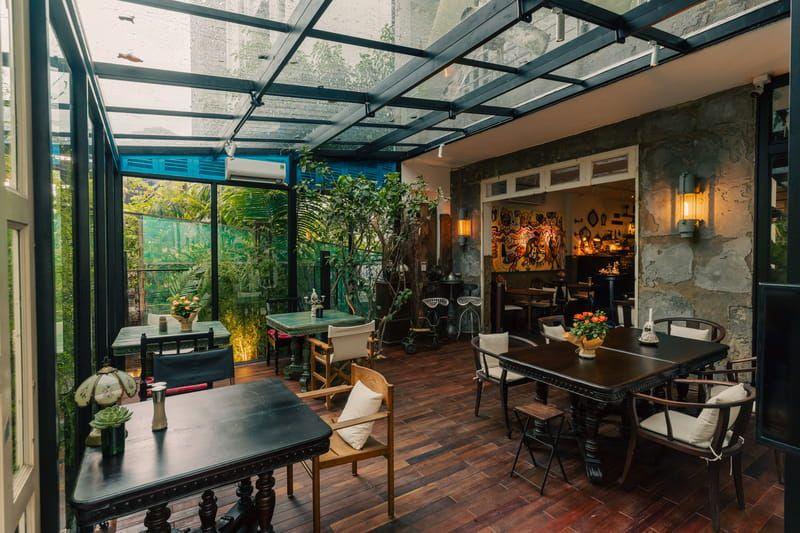
Bleisure Travel: Why Young People Want More Than Work on Business Trips
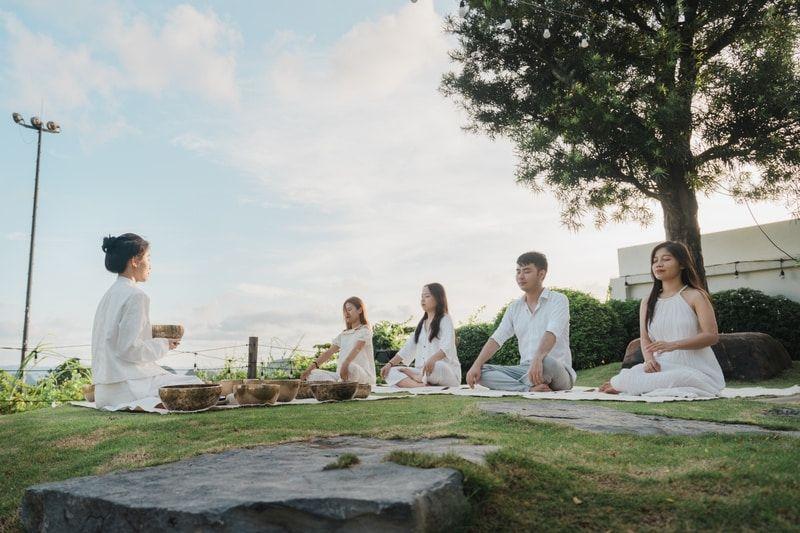
A Healing Journey at a Wellness Retreat Ho Chi Minh in 2026
