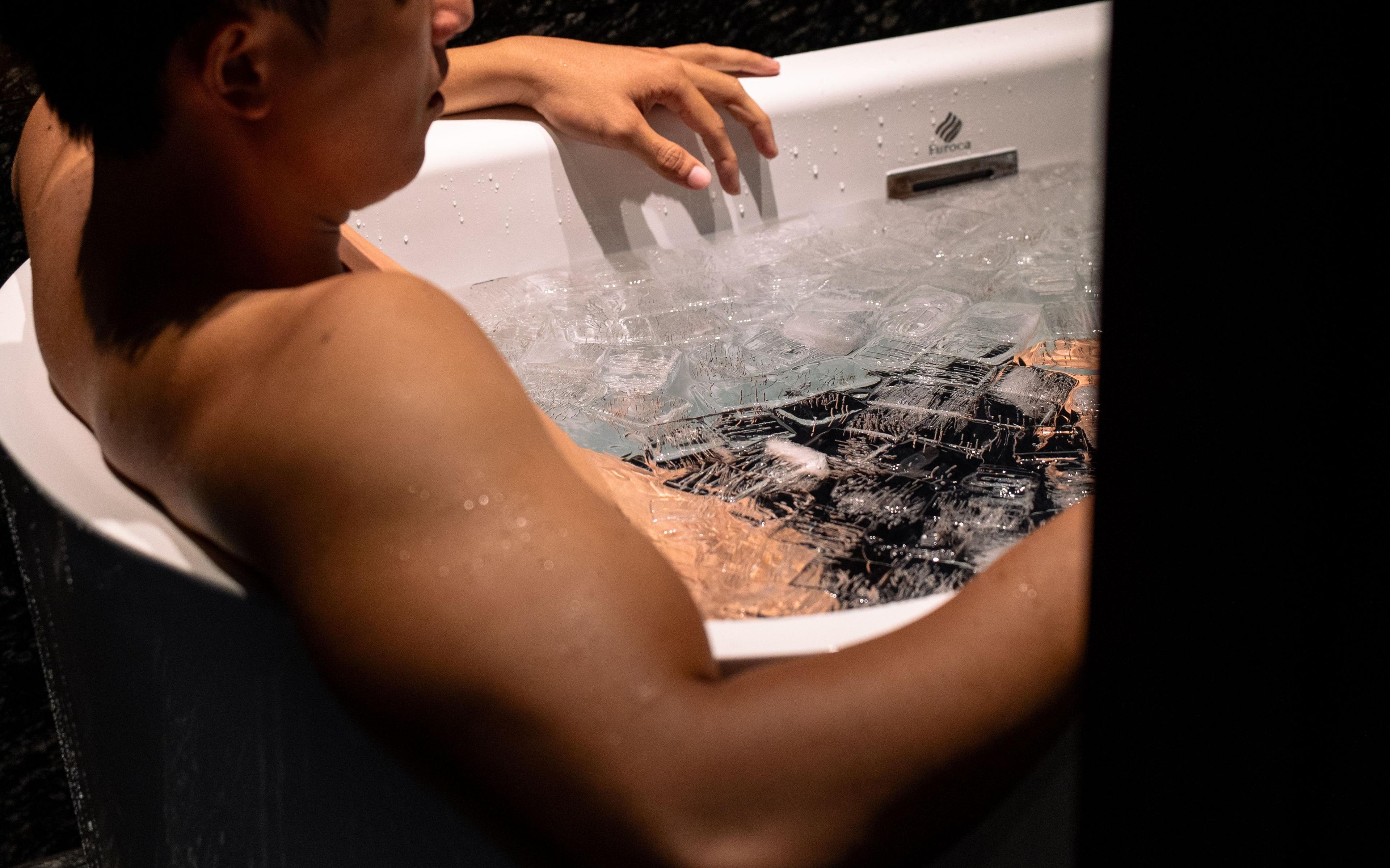

Cold plunge experience at Amanaki Thao Dien
 3 minute
What is Cold Plunge Therapy?
Cold plunge is a method of submerging part or all of the body (usually from the neck down) in cold water at an ideal temperature of 10°C to 15°C for a short period of time.
How it works: When exposed to cold water, the body undergoes a controlled "cold shock." At this point, peripheral blood vessels immediately constrict to retain heat in the internal organs. As soon as you step out of the tub, the blood vessels dilate dramatically, pumping a large volume of oxygen and nutrient-rich blood throughout the body. This process accelerates metabolism and eliminates toxins.
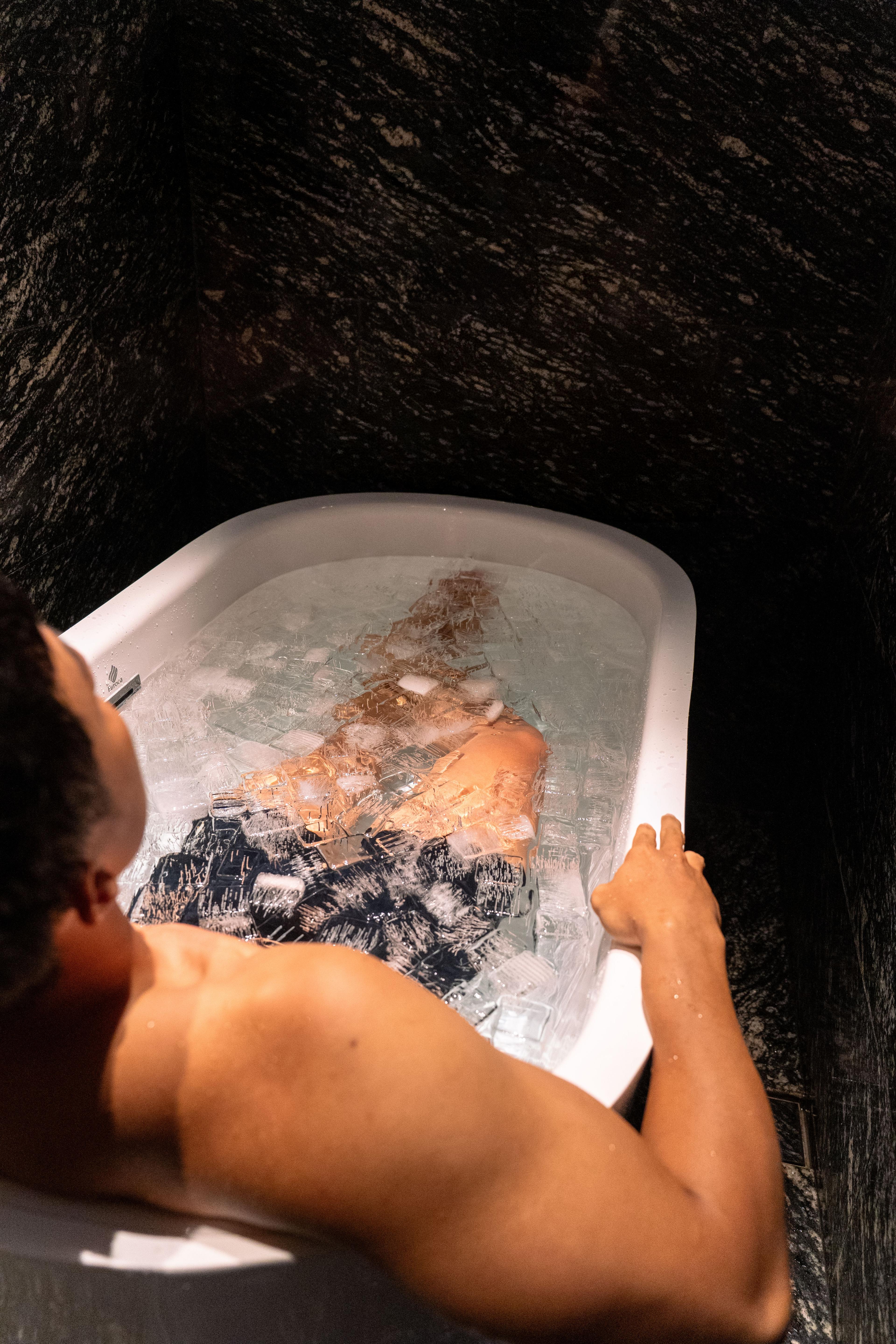
3 Amazing Benefits of Cold Plunge for the Body
1. Cold temperatures temporarily reduce blood flow to swollen and inflamed muscles, helping to reduce edema and soothe micro-injuries after strenuous exercise.
2. Cold water triggers the brain to release a large amount of the hormones noradrenaline and dopamine (potentially increasing by up to 250%). This provides an immediate feeling of refreshment and alertness, and reduces stress for hours afterward.
3. To maintain body temperature, the body is forced to burn energy by activating brown fat, which greatly supports the basic metabolic process.
The "Golden" Time and Times to Avoid Cold Plunge
✅ It is recommended to do:
-
Early mornings help to awaken the body, promote alertness, and establish a dynamic circadian rhythm for the day ahead.
-
After endurance exercises such as running, cycling, swimming, or high-intensity competition, it helps reduce inflammation and speed up recovery.
-
When in normal health: The body is healthy and free from disease.
❌ Avoid doing:
-
It's close to bedtime because the release of adrenaline will make you feel excited and it will be very difficult to fall asleep.
-
Immediately after weight training, cold water slows down protein synthesis, hindering muscle growth and development.
-
Right before a workout, cold water stiffens muscles, reduces flexibility, and increases the risk of injury.
-
When you have a cold, fever, weakness, or signs of infection.
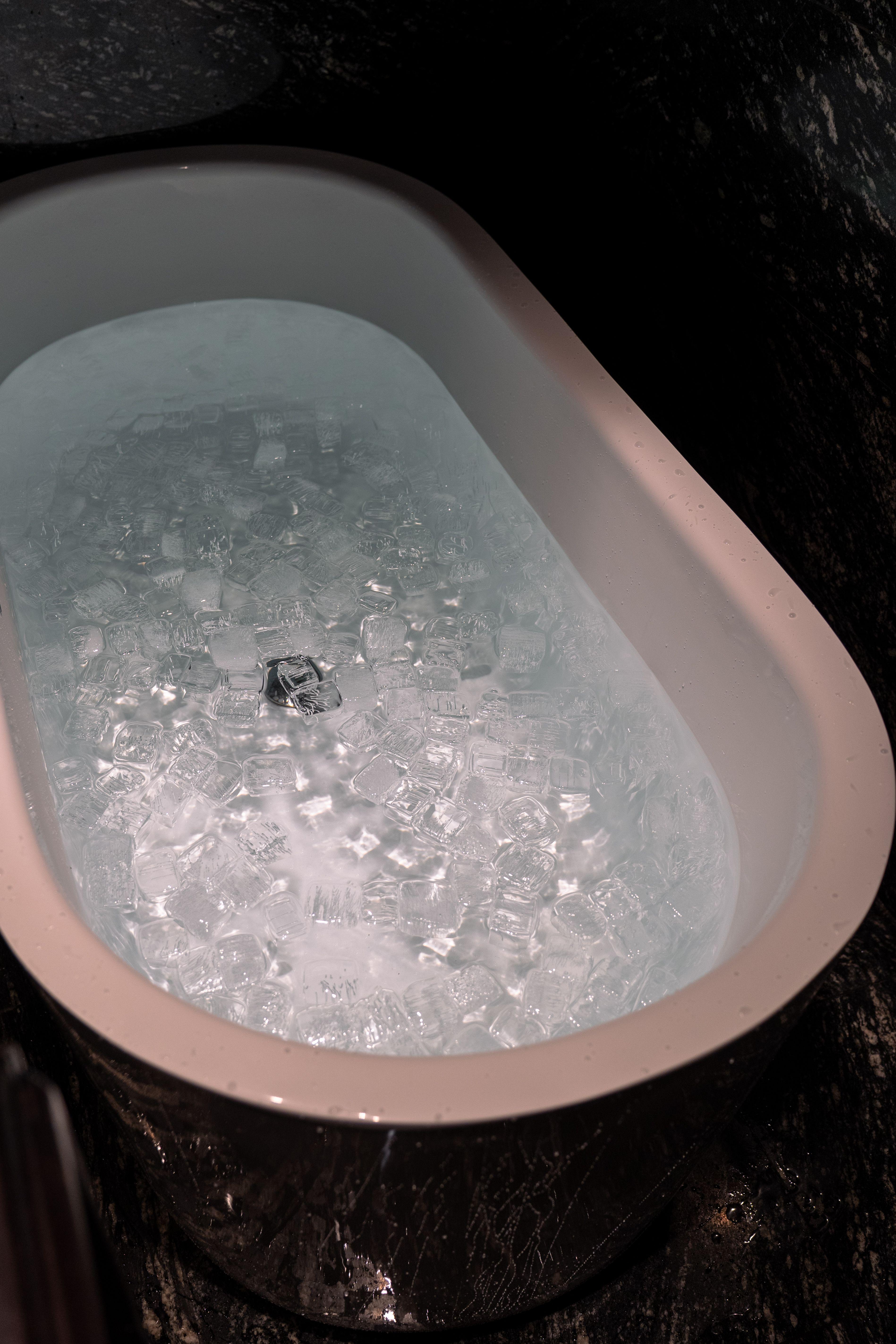
Instructions for Safe Use of a Cold Plunge Tub
-
If you've just come out of a steam room, take a quick shower with cool water for about 30 seconds. This moment of relaxation allows your heart rate and blood vessels to gradually adjust.
-
Never jump or dive into the tub. Step in slowly, take a deep breath, and exhale slowly through your mouth as your body touches the water. Always keep your head and neck above the water.
-
The ideal time is only 1 to 5 minutes per session. Focus on deep, slow breathing to calm the nervous system. Listen to your body and leave the tub immediately if you feel dizzy or uncontrollably shaky. (Studies show that a total soaking time of just 11 minutes per week is enough to maximize benefits.)
-
After getting out of the tub, dry yourself off and put on a bathrobe. Allow your body to warm up at room temperature or do some light exercise (walking, squats). Do not immediately jump into a hot shower, as the sudden vasodilation can cause a drop in blood pressure and fainting.
⚠️ Medical Warning (Contraindications)
-
People with a history of heart attack or arrhythmias should be aware that their blood pressure will spike when soaking in cold water, potentially triggering a stroke if their blood pressure is not properly controlled.
-
For pregnant women, sudden heat shock can endanger the pregnancy.
-
Raynaud's syndrome, or peripheral neuropathy, can easily lead to bruising, pain, or tissue damage (frostbite) that goes unnoticed.
-
There is an open wound.
-
Having recently consumed alcohol or stimulants.

Retreat Ho Chi Minh: Choose a Place to Stay, Choose a Way to Live

Bleisure Travel: Why Young People Want More Than Work on Business Trips
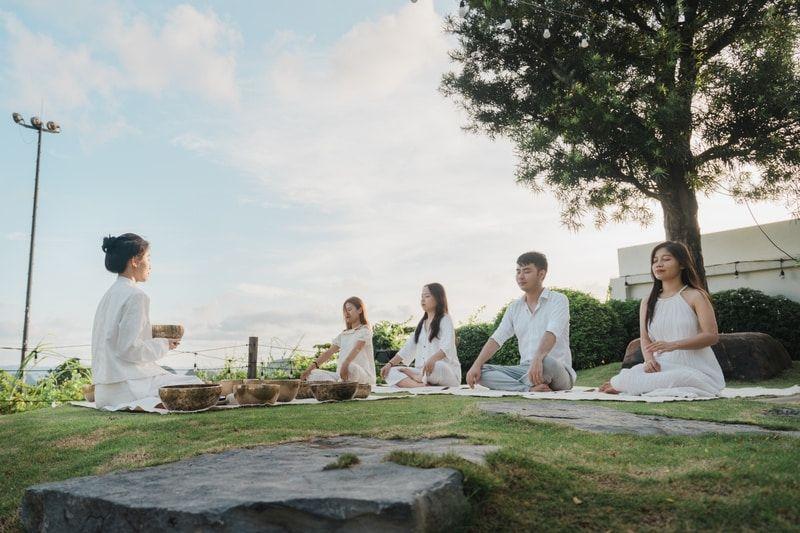
A Healing Journey at a Wellness Retreat Ho Chi Minh in 2026
